Head
Warm Hat
Cap
Face Mask / Muffler
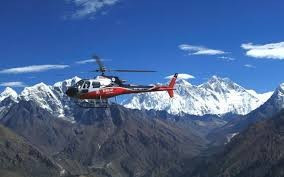
Pikey Peak is located in eastern part of Nepal in Solukhumbu district.It is one of the best hill top to see panoramic sunset and sunrise views of Annapurna, Langtang,Mahalangur and Kanchenjunga himalayan range with deep green valleys. It is one of the most popular short trek destination of Nepal among the tourists and Nepalese hiking community. This is one of the best attraction for those who do not have enough time to go out to see the mountains and hills.There is good access of motors to the starting point of the trek.There are two summits which are called Pikey Peak 1 (4065 Mtr) and Pikey Peak 2(4067 Mtr) but according to the local sherpas traditional aspects, they are named differently as Goley Pikey(4065 Mtr) and Chyawa Pikey (4067 Mtr). Every year the concerned local people organizes the ceremony to worship the Clan god ( which is called "Rhu" in Sherpa language) to get bleesing and gain religious merits with the invitation of head local Buddhist monks. In summer season the people below the Pikey area takes their cattles (Yaks,Naks and Jopkio ) around the Pikey peak area for grazing , while there is crops and field harvesting time occur in down valley.People set their settlements in high pastureland around Pikey peak for some months in monsoon times.
Day 1
Our company representative will come to meet you in the Airport and transfer you to Hotel.
Day 2
We drive to Patale from Kathmandu by jeep. It takes about 8 hours. In some place road is bumpy and dusty but mostly road is very smooth.We stop at place called Gurmi for the lunch after lunch the roads goes steeply up until patale.We overnight stay in Patale.
Day 3
Duration: 6 hours trek
Walking Dis: 12 KM
Elevation gain: 520 Mtr
Our first day trek starts with early breakfast. From Patale our trail follows the small track straight down through the forest of Rhododendron,Silver fir and blue pine. Trails after the Bagam Village goes horizontally towards the main motorable road until sigane (2610 Mtr) where we stop for tea break.Again our journey follows the motorable road until our todays destination but we stop at Japre (2820 Mtr) for hot lunch. The trails is gradual up and steep climb as well. After the lunch we continue our walk for the Bulbule with another 4 kilometer distance with the majestic views of Mount Numbur,Mount Karyalung and Mount everest region.We overnight stay in Bulbule.
Day 4
Duration: 4 hours trek
Walking Dis: 10 KM
Elevation gain: 280 Mtr
The trails climbs up to the grassy ridge until Lamuje from where nice views of Himalayan range can be enjoyed. After one hour walk the trails turns to right passing old yak farm,small huts and long mani walls. The trails then continues the hillside below the Taklung Danda and goes through beautiful forest trail. There are many rhododendron which blooms if we trek in spring season. As we leave the forest, it is not more than 1.5 hours from the tea shop at Samsong. Our night stay will be at Pikey basecamp lodge.
Day 4
Duration: 6 hours trek
Walking Dis: 9 KM
Elevation loss: 91 Mtr
Today we will be in highest point of this whole trip. We start quite early to catch the sunrise views from Pikey peak, we will follow a gradual trail to the summit,covered with prayer flags. The views are breathtaking. After enjoying the views of 360 Degree panoramic views we follow the ridgeline which start flat and then steep terrain until the Jasmane Banjyang where we spend our night.
Day 5
Duration: 6 hours trek
Walking Dis: 9 KM
Elevation loss: 91 Mtr
Today we will be in highest point of this whole trip. We start quite early to catch the sunrise views from Pikey peak, we will follow a gradual trail to the summit,covered with prayer flags. The views are breathtaking. After enjoying the views of 360 Degree panoramic views we follow the ridgeline which start flat and then steep terrain until the Jasmane Banjyang where we spend our night.
Day 6
Duration: 6 hours trek
Walking Dis: 12 KM
Elevation gain: 850 Mtr
We start quite early after the breakfast towards the next destination called JunBesi which is one of the old Sherpa tradional village sitting in the altitude of 2700 Mtr.There are numerous monasteries as well as well facilitate rooms, nice foods and electricity. Our trails goes downward towards Loding village throughout the forest. After lunch in Loding we head on JunBesi.
Day 7
Duration: 2.5 hours trek
Walking Dis: 8 KM
Elevation loss: 60 Mtr
As always we start our day quite early, We have an early morning hike up to Thupten Choling Monastery before breakfast and head down for our next destination Beni. Thupten Choling monastery is one of the important religious sites of Solu Dudhkunda valley, which is more than 50 years old where more than 350 Monks and 60 buddhist students live. We have an opportunity to visit the one of the oldest monastery (believed to be more than 450 years old) in Junbesi. There is Dumjee festival every year in April. After return from short trip to Thupten choling we head down toward beni following the dudhkunda river.
Day 8
Duration: 2 hours trek
Walking Dis: 8 KM
Elevation loss: 171 Mtr
Today is our last day of trekking and the easiest day. We follow the river towards down valley. After an hour of walk we reach in Phaplu for lunch and relax for rest days.
Day 9
We drive back to Kathmandu after the successful completion of trip.
Day 10
You will be transfer to airport for the final departure to your homeland

Warm Hat
Cap
Face Mask / Muffler
Wind stopper/Waterproof Jacket
Down Jacket
Fleece Jacket/ trousers
Thermol
T-shirts
Woolen gloves/Water/wind proof gloves
Trekking Trousers(light weight long Paint)
Underwear
wind stopper/waterproof Paint
Fleece or woolen pants
Thin Lightwear/heavy poly or wool Socks
Sandals
Trekking Boot
Gaiters
Spare Shoes
Medium Rucksack (50-70 Ltr)
Small Day Pack
Personal Medical Kit
Chapstick/Sunscreen
Water bottle
Large Duffel bag
Trekking Pole
Spare batteries for Camera and Flash Light
Hand Towel
Head lamp with extra Batteries
Sun Glasses with UV protection
Suitcase (For stored in Kathmandu hotel for not needed items for trek)
(1) Physical Fitness
This Pikey peak trip is trek on lower altitude of solukhumbu but One should be physically fit before to do the any trekking even in lower altitude. It is long hike so without any training the first two/three days will tough for you. So some basic physical fitness like squat, Mountain climbers ( which can be done in home),running,biking , stair climbing,and swiming will help lot to do trekking in the mountains, so it is highly recommanded 2/3 months prior to your departure for the trekking or mountaineering.
(2)Foods and Drinks
While in the mountain, it is highly recommanded you to drink plenty of fluids like water,soups, teas as well as foods. We will provide the sufficient and hygiene food as per your choice in whole trek.However some private snacks as chocolates bars, cookies are also highly recommanded which you can take from kathmandu or you can buy on the way in lodges or in shops.
(3)Drinking water
One should drink at least 3-4 litres of water every day in order to get hydrated the body which helps lot to be away from altitude sickness.You can buy the bottled water all the way cost from Rs 80 ( Which is equivalent to 80 cents )to Rs 400 (which is equivalent to 4 USD), but the bottled waters are not highly recommanded because as we are environmentally sensitive and also expensive. We highly recommend you to carry the reusable water bottle and buy boiled water in lodges/teahouse which also makes your sleeping bag very warm while going to bed, to use sterpin or take chlorine or iodine tablets to purify the drinking water.
(4)Best time to Travel
Spring ( Mar-May)and Autumn ( Sep- Nov) are known as best months to trek in Nepal becuase of the stable clear dry skies which permits to enjoy the spectacular mountain views but mostly lodges, hotels and trails are busy and crowded. Spring season is pleasant and suitable with warm tempreture for trekking and climbing the big mountains as well, so Everest basecamp will be full of tents and looks like small tented city. Untill end of october, the tempreture will be mild cold. Weather will be stable with clear blue sky, dry and at the same time one of the popular religious festivals named Manirimdu festival will be held in Tyangboche Monastery.
Winter and summer are also good if you would prefer less crowdy, and ready to face the some challanges like snow, cold, and rain.Even in winter weather will always be clear but the these three months are coldest month of the year and sometimes snow falls. In Summer, It is very good to do trekking, tempreture will be warm, those who are keen to botanist, summer is the best but the due to unstable weather the views of mountains are very rare.
5) Altitude Sickness
In pikey peak region chances of altitude sickness is very low as the highest point is around 4000,In high altitude , the mass of oxygen will be less, so everyone feels difficult to breath as well as mild headache, dizziness etc.This is one of the biggest challanges in mountain.In the altitude, there are many rules to make our body adaptable to the altitude. Acclimatization is one of the important factor to adjust our body get used to the altitude. All our itineries are designed with proper acclimatization day in every 1000 mtr climbing.The most important rules that we have to follow in altitude is walk slowly, keep drinking plenty of fluids as water , soups etc to make our body hydrated, and keep our body warm. Our staffs and guide will always do their best as they can, eventhough incase of any sickness,injury one should avoid their rest trip and should come down.
(6)Travel Insurance
It is compulsory to buy the proper travel insurance policy with genuine insurance company, it should cover the emergency helicopter evacuation as well as medical treatment incase of severe injury or sickness and Policy should include coverage at the altitudes up to 6000 Mtr if you are doing just trekking and if you are doing mountaineering should be 6500 Mtr.
(7)Bag pack and duffel bag
Our duffel bag should be maximum 15kg including hand bag. Only the neccesary things should be packed and the stuffs which are not neccesary on trek will be stored in hotel in Kathmandu.One porter will carry max 30 Kg,among two clients one porter will be provided.
(8)Internet Connectivity and cell phone Signal
Phone signal and internet connectivity is rarely find in this trek. For emergency your guide will carry satelllite telephone.
(9)Jeep riding
This is the area where the motorable road is directly connected with kathmandu so we ride jeep from/to kathmandu for this trip.
(10)Sanitation
In mostly places toilet are common and need to use the same toilet using by everyone else. Mostly place there may not be available of hand washing water, so highly recommend to take hand sanitizer by yourself and most importantly toilet papers or wet tissue paper should always be in your day bag.
(11)Government permits and local tax
To enter in this area, there is not extra tax or charges.
(12)Guiding and staffing
In this region average walk per day is 3-4 hours. Leisurely and pleasant guiding will definitely take you to destination. More you gaining altitude more hard to walk, Your experieced guide and porter will always be there to help you in every moment.Guide is the key factor for the every challanging in mountain so one should follow the instruction of guide pleasantly.Every day after dinner your guide will do brief about the next days trip.
(13) Budgeting
Budegeting depends upon many factors specially in Kathmandu where there are too many choices.Hotels in Kathmandu include in trip cost on basis of BB plan. So average expenses per day in Kathmandu will be Rs 2000 for lunch and Dinner, if you prefer some other activities as drinks, to do massage, or to go in bar/pub Rs 5000 ( equivalent to USD 50 ) is enough. On the trek, all the meals and hot drinks will be provided by company, Extra expeses as Hot shower, battery charging, wifi, boiled water for bottle, extra snacks bars, Soft drinks and hard drinks should borne by oneself,In average Rs 2000(eqivalent to 20 USD) is enough on the trek. Finally few tipping is highly recomended and compulsory in the last day to your guide and porter as per your budgeting.